

Equipment becomes easier to judge when you know what you want an image to do. Before comparing features, describe the scene you want to make: where the camera will be, how the subject moves, what the audience should notice, and what kind of feeling the image should hold.
This turns a broad search for a “better camera” into a smaller set of creative questions. The answers can point toward new equipment, a different technique, or more time practising with what you already have.
Describe the shot before the tool
Imagine a quiet portrait, a moving performance, or a product detail. Each asks something different of the camera. A portrait might depend on a comfortable distance and a patient observation. A performance might need freedom to follow movement. A material detail might depend on careful lighting and close focus.
Write a short list of the shots that matter to your project. Then ask what could prevent you from making them. A useful equipment choice responds to a specific limitation.
Consider the place you will work
A controlled studio and a location you cannot control create different practical needs. Think about available light, weather, space, how long you can stay, and how much equipment you can carry. Also consider whether you are working alone or with a crew.
A setup that is comfortable to use can make it easier to remain attentive to the subject. Include your own working habits in the decision, rather than assuming the most elaborate setup will suit every situation.
Give movement a reason
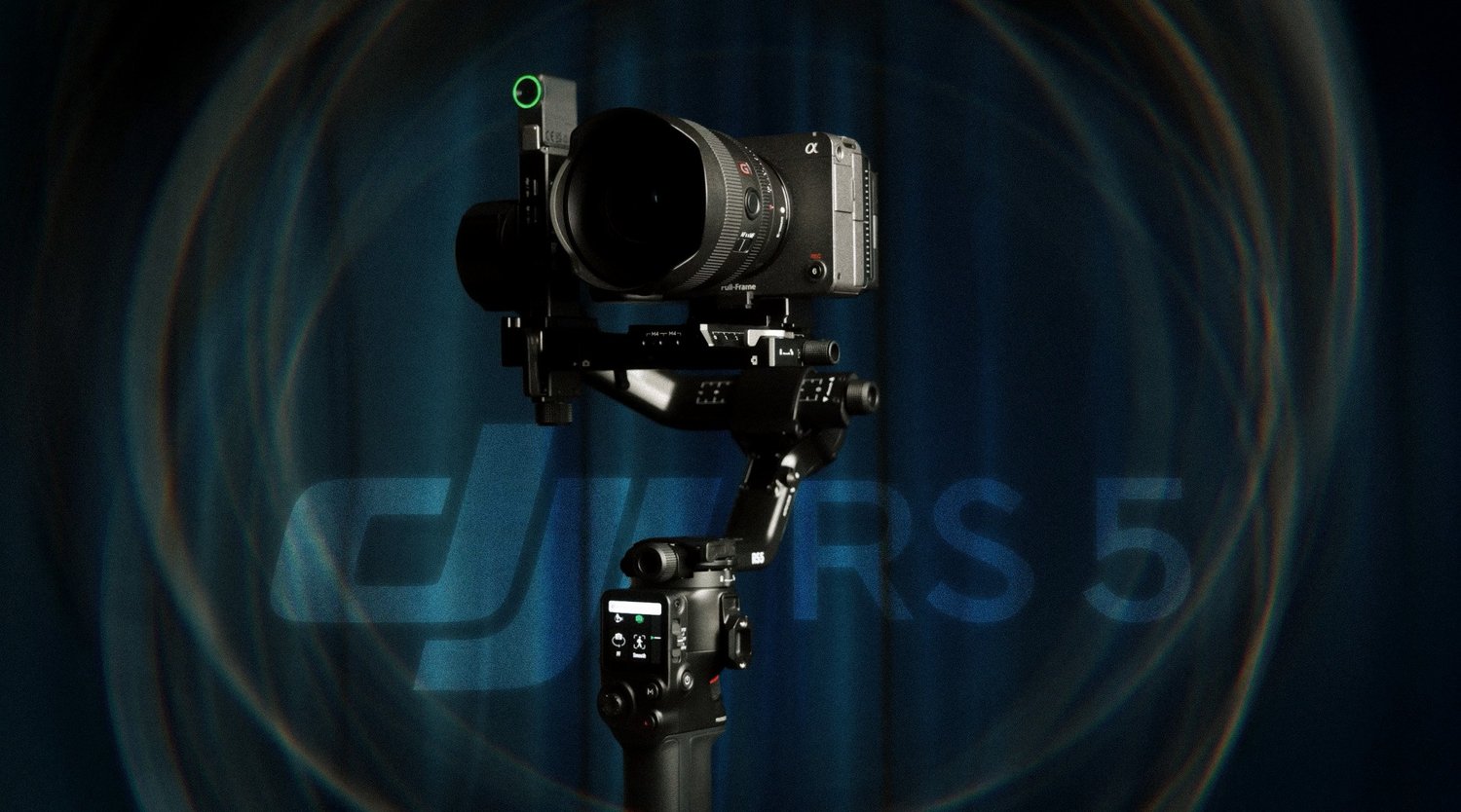
Camera movement can guide attention, reveal information, or change how close the viewer feels to a person. Decide what the movement contributes before choosing how to achieve it. A still frame may hold tension. A slow approach may create intimacy. Following someone may invite the audience into their experience.
Test a scene with different approaches. Watch the results without concentrating on the equipment. Which version carries the intended feeling? Let that answer inform the tool you reach for.
Evaluate the complete workflow
The recording is one part of making a film. Consider how you will monitor the image, record sound, manage media, edit, and deliver. A purchase may introduce additional accessories or a new process, so include those in your comparison.
- Can you operate the setup confidently in the intended environment?
- Does it work with the lenses, power, and support equipment you use?
- Can your editing workflow handle the files comfortably?
- Have you allowed for sound, light, storage, and preparation?
Test with a small, meaningful exercise
If possible, borrow or rent equipment before committing to it. Create a short sequence similar to the work you plan to make, and take it through the entire edit. Review the image alongside the experience of using the setup.
You can run the same exercise with equipment you own. Limit yourself to a few deliberate shots and focus on one skill, such as composition, light, or movement. Repeating a focused exercise gives you a clearer view of where your next investment would help.
Make the next choice specific
The goal is to build a setup you understand and can use with intention. Keep a record of the problems you encounter and the images you want to make next. Over time, that record becomes more valuable than a general wish list.
Choose a tool because you can explain its place in your creative practice. Then spend time learning how it behaves. The equipment should support your attention to the story and the person, place, or idea in front of you.